Exhibition
MADELEINE DE SINÉTY
A life
From 12 June to 24 September 2026
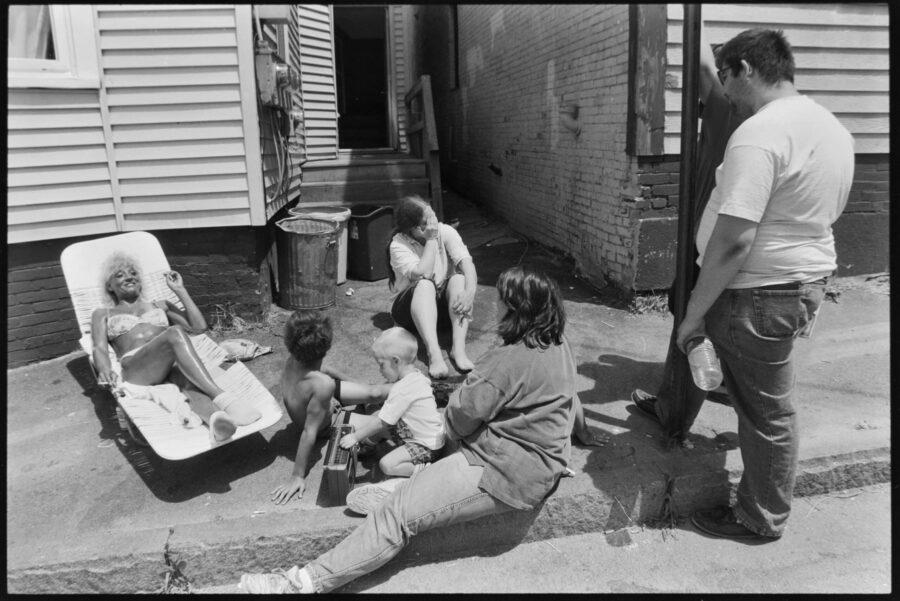
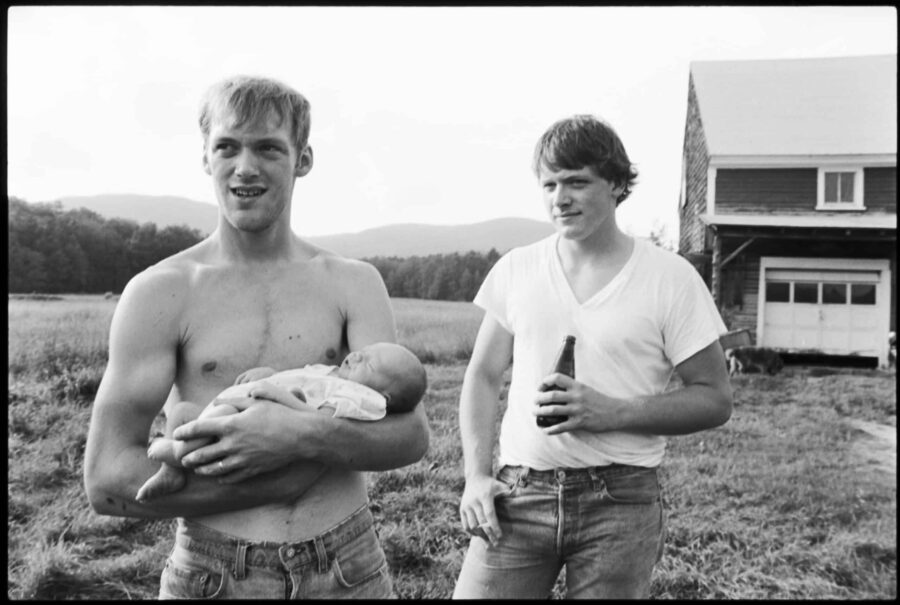
This exhibition is the first retrospective devoted to Madeleine de Sinéty (1934-2011) whose unique photographic work, in colour and black and white, is still relatively little-known, even though it spans four decades and two continents : Europe (France) and the United States.
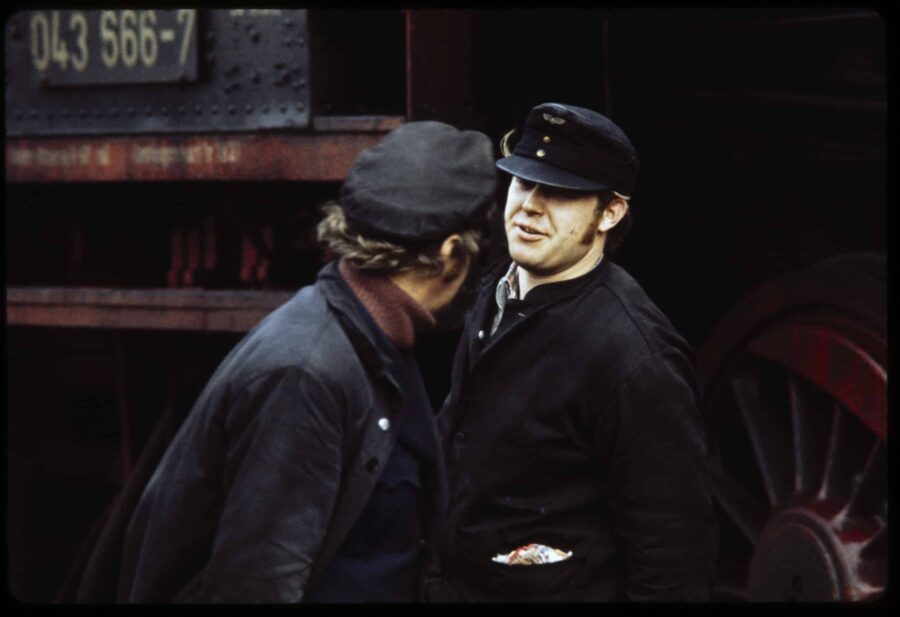
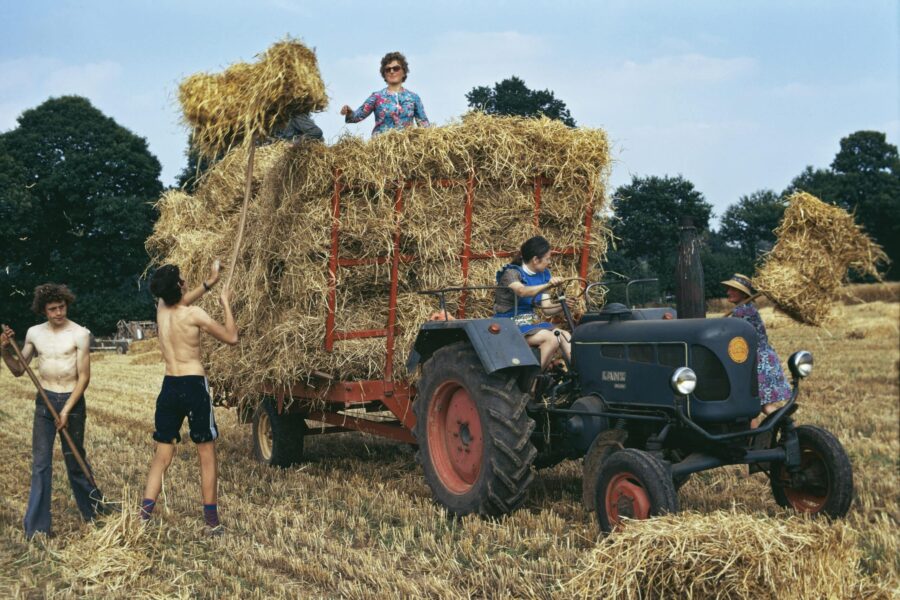
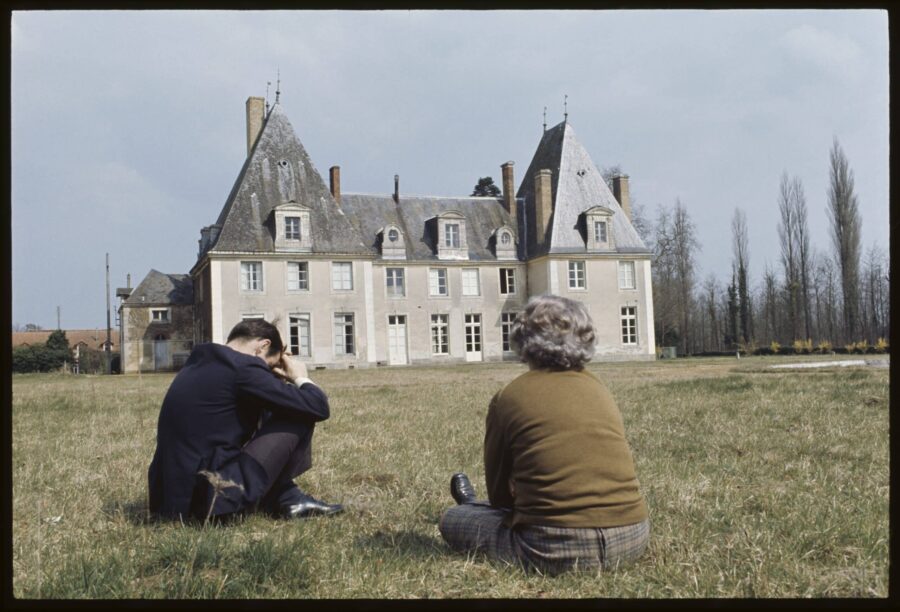
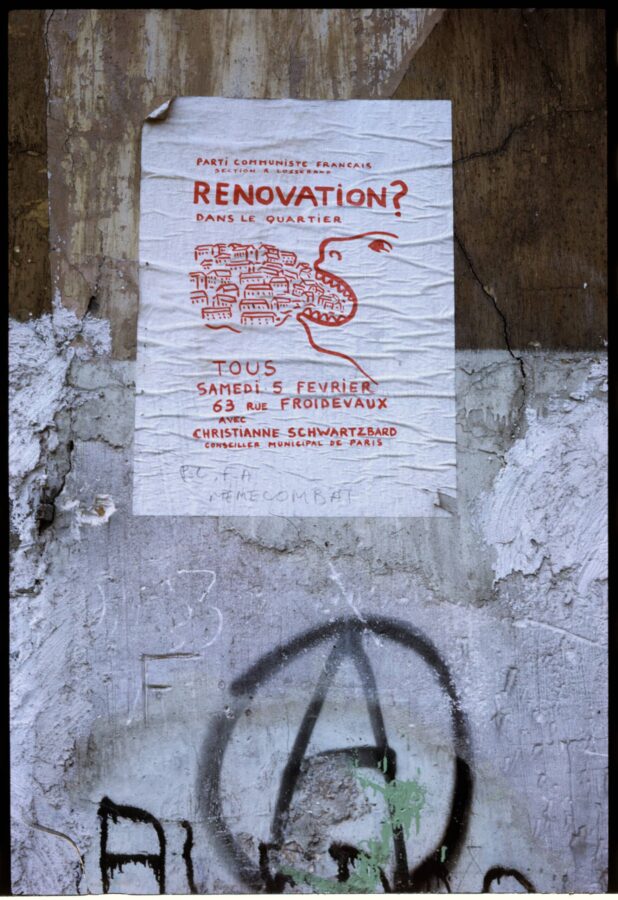
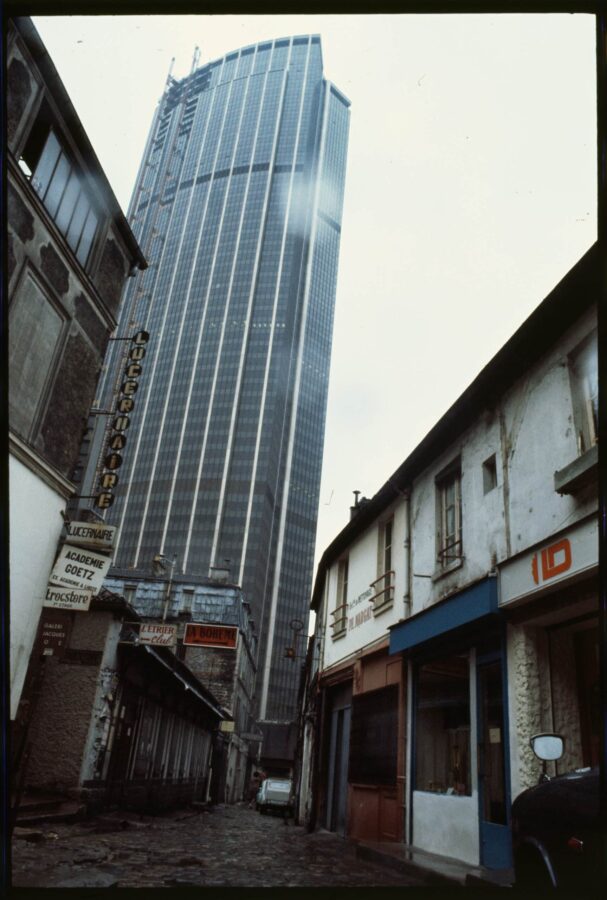
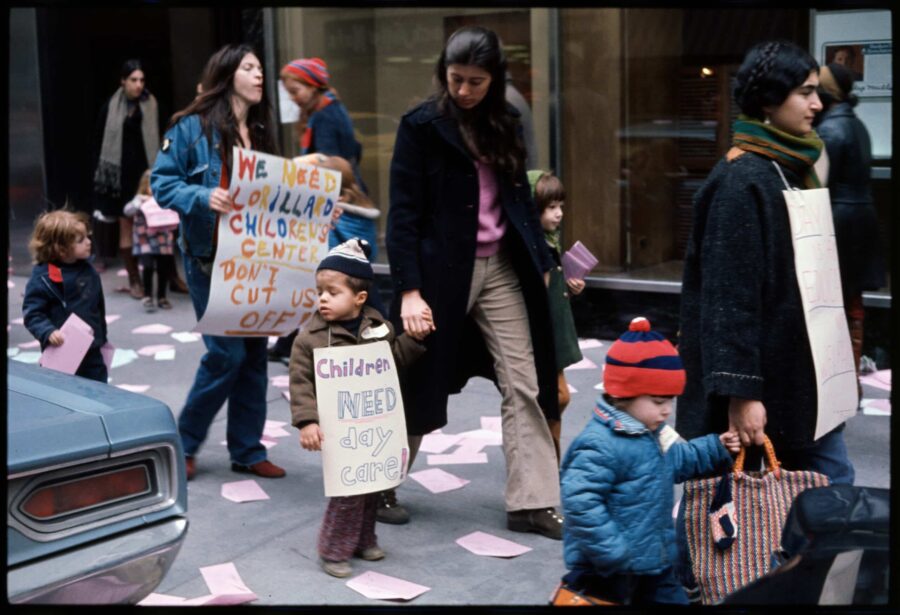
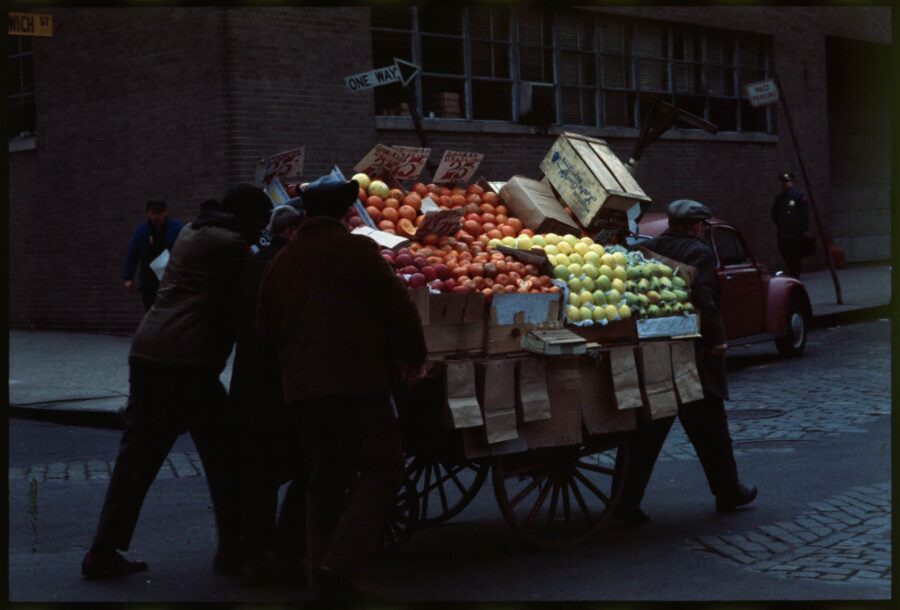
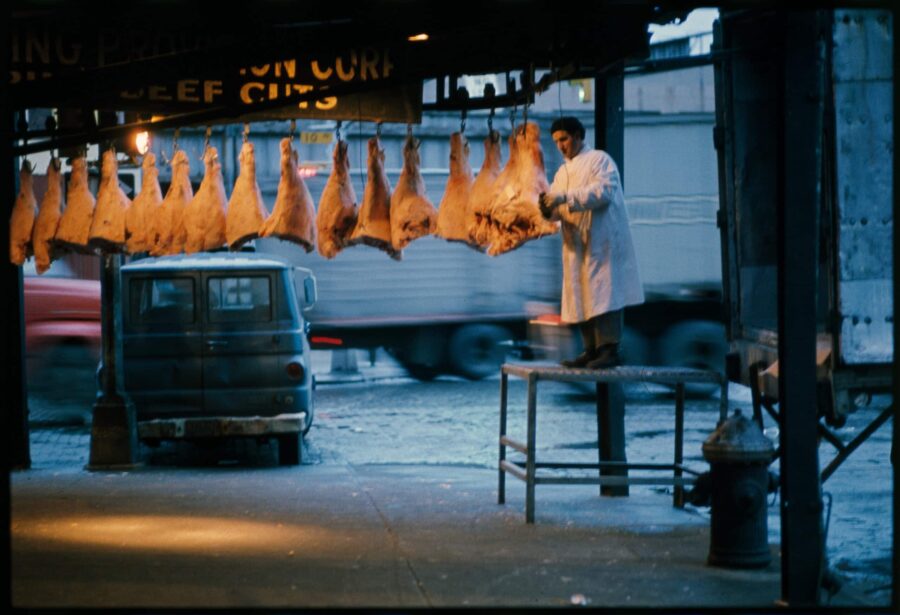
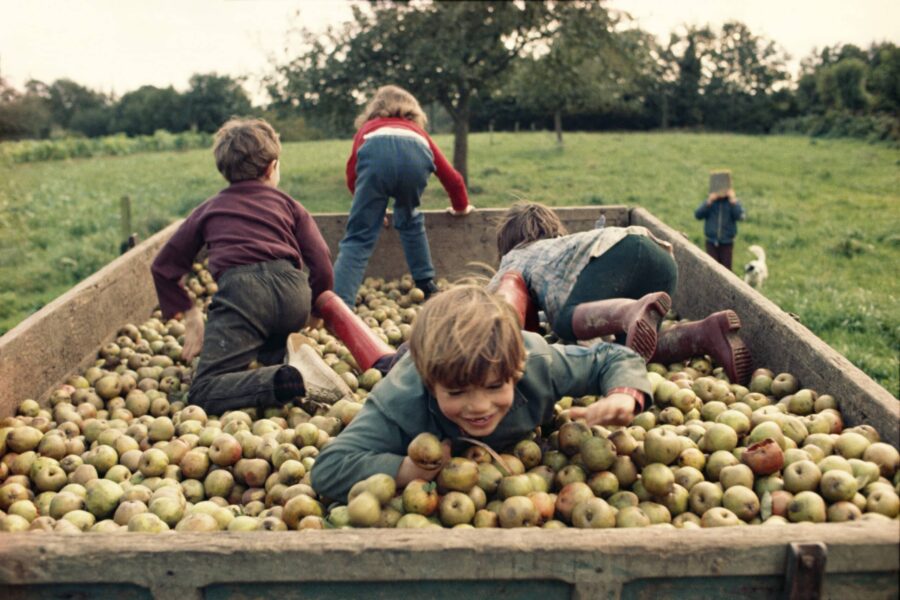
Born in a Loire Valley château that was destroyed by a fire when she was fourteen, Madeleine de Sinéty trained as a fashion illustrator at the Decorative Arts School in Paris before teaching herself photography in the late 1960s. Timidly at first, in 1970, she shot her neighbourhood around Montparnasse Station in Paris, an area then undergoing rapid change, furtively photographing street scenes and faces. She would do the same in the streets of New York, where she travelled with her husband, Daniel Behrman, an American journalist met in Paris. Together, they harboured a childhood passion for steam trains, which she photographed tirelessly. It was here, in Montparnasse, that she found her position or place with her subjects: she befriended railway workers, took their portraits, shared their rest time, and discovered the realities of the working class. This closeness, a true hallmark of her work, was further accentuated when she impulsively decided to leave her Parisian life behind and settle for ten years in the small village of Poilley, Brittany. There, she got to know the inhabitants, helping them with their farm work, and gradually integrated into the community, which welcomed her with curiosity and kindness. She immediately had the feeling that she would stay there for a long time; it was in this place that she wanted to live and create.
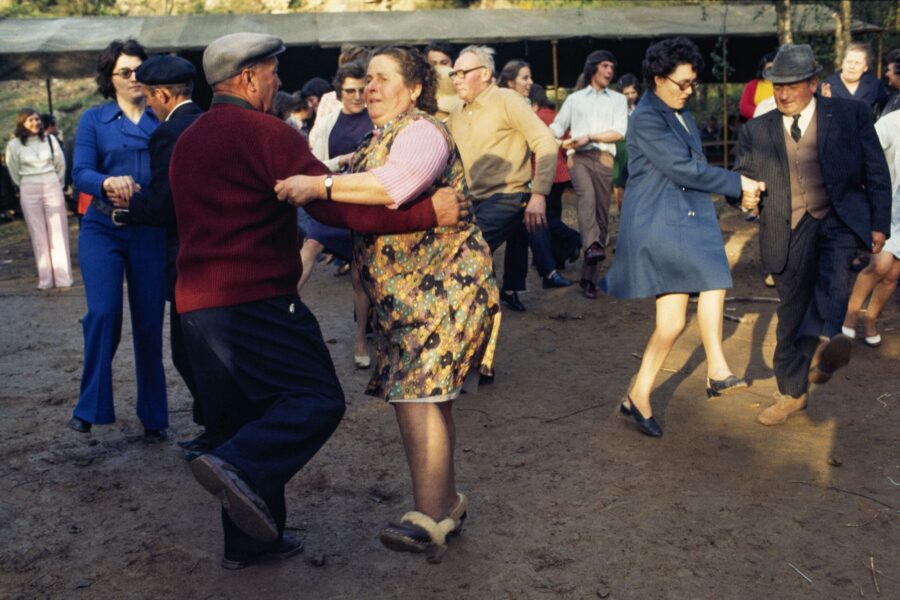
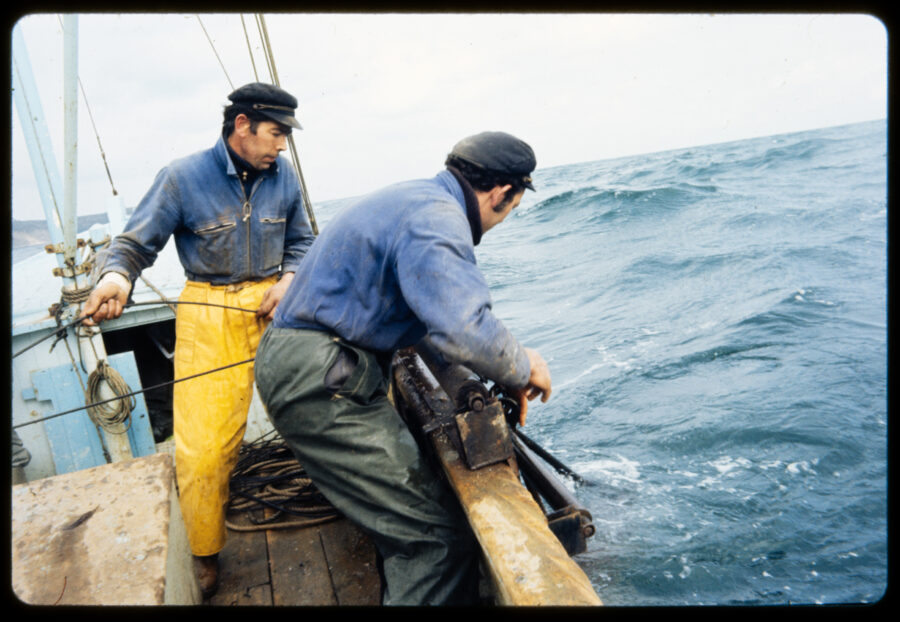
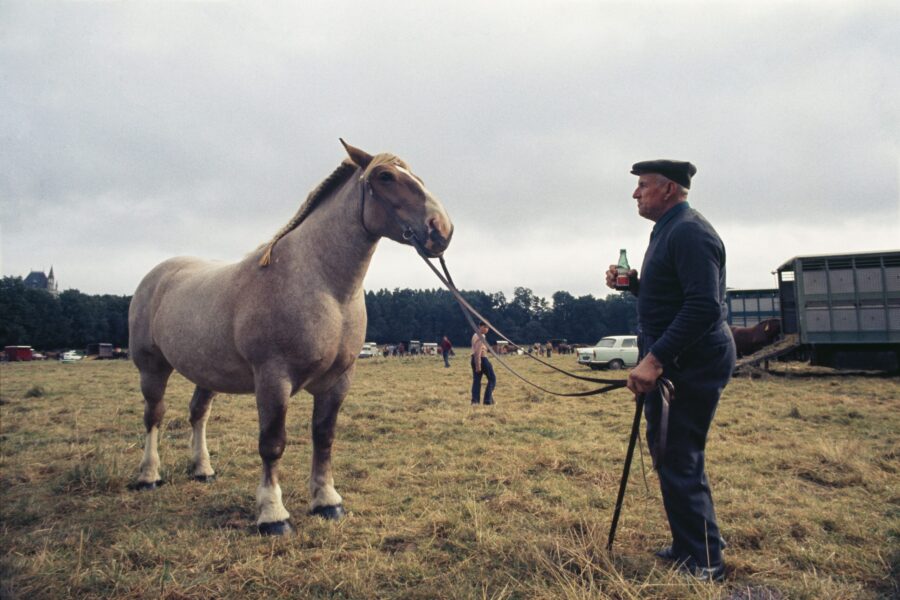
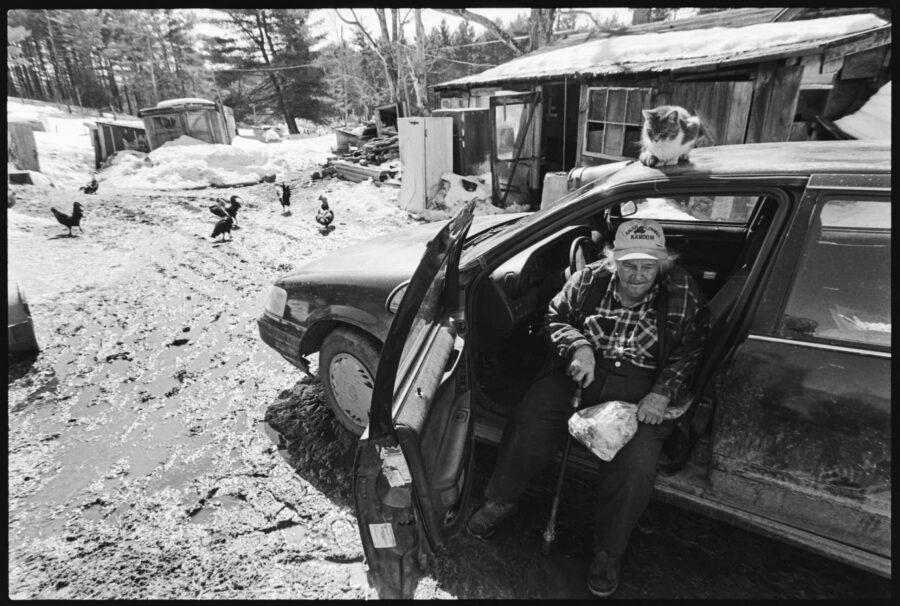
She photographed the twenty or so families living in Poilley, their farms, and the locals who became like her own family. The resulting document is unique: over 50,000 images chronicle the life of this village where men and women still worked alongside animals on their land, in tune with the rhythm of the seasons. She would bring this immense archive of Poilley with her when she followed her American husband to begin a new life in the United States, primarily in the small town of Rangeley, Maine. There, once again, she photographed a community, and after her husband’s death, she became a wedding and event photographer to earn a living.
Following the major stages of her life, this exhibition showcases several series of photographs, most of which have never been shown before. The common denominator is a desire to document the lifestyles, practices, professions, and places destined to disappear or on the verge of disappearing.